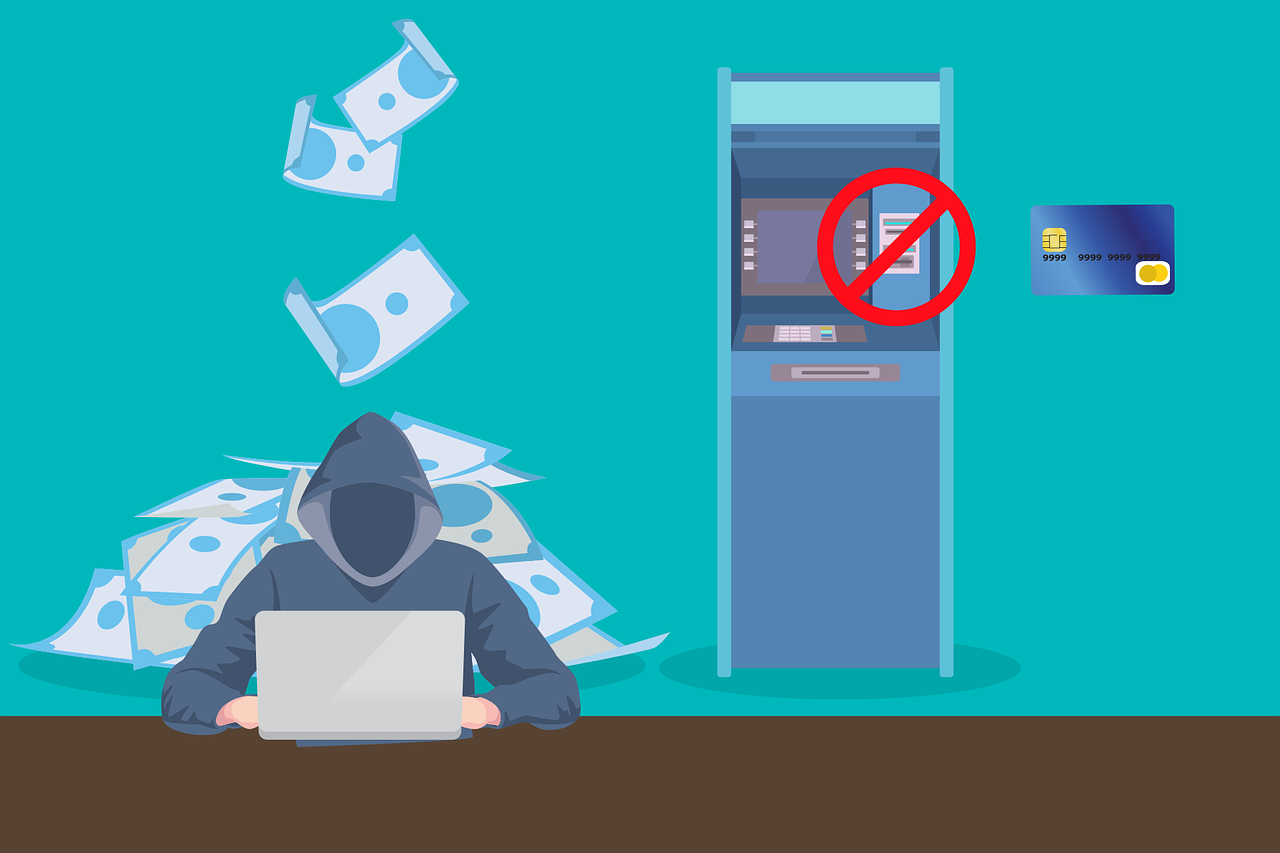
With the rapid growth of digital banking and online payments, banking frauds have become increasingly sophisticated. From phishing scams to UPI frauds, cybercriminals are constantly finding new ways to exploit users. Understanding these threats and knowing how to protect yourself is essential for keeping your money safe.
What Are Banking Frauds?
Banking frauds are illegal activities where fraudsters attempt to steal money or sensitive financial information such as bank account details, OTPs, or passwords. These scams often target users through mobile phones, emails, social media, and fake websites.
In India, digital payment systems regulated by the Reserve Bank of India and platforms like National Payments Corporation of India are generally secure, but user awareness plays a critical role in preventing fraud.
Common Types of Banking Frauds
1. Phishing Scams
Fraudsters send fake emails or messages pretending to be banks.
- Ask for login credentials or OTP
- Redirect to fake banking websites
- Often look very convincing
2. UPI Fraud
Scammers exploit UPI platforms like Google Pay, PhonePe, and Paytm.
- Fake “collect requests”
- QR code scams
- Payment reversal tricks
3. OTP Fraud
Fraudsters trick users into sharing OTPs.
- Pretend to be bank officials
- Claim urgent verification is needed
4. SIM Swap Fraud
Scammers duplicate your SIM card to access banking OTPs.
- Mobile network suddenly stops working
- Unauthorized transactions occur
5. ATM Skimming
Devices installed on ATMs steal card details.
- Fake card slots or hidden cameras
- Cloned cards used for withdrawals
6. Loan & KYC Fraud
Scammers offer fake loans or ask for KYC updates.
- Request personal documents
- Demand processing fees
Warning Signs of Banking Fraud
Be alert if you notice:
- Urgent calls asking for OTP or PIN
- Messages with suspicious links
- Unknown payment requests on UPI
- Unexpected debit transactions
- Calls claiming to be from your bank
How to Stay Safe from Banking Frauds
1. Never Share Sensitive Information
- Do not share OTP, PIN, CVV, or passwords
- Banks never ask for such details
2. Verify Before You Trust
- Double-check calls and messages
- Contact your bank directly if unsure
3. Use Secure Apps Only
Stick to trusted apps like:
- Google Pay
- PhonePe
- Paytm
Download apps only from official app stores.
4. Be Careful with UPI Requests
- Never approve unknown “collect” requests
- Remember: receiving money does not require a PIN
5. Enable Alerts & Notifications
- Turn on SMS and email alerts
- Monitor transactions regularly
6. Use Strong Passwords
- Avoid simple passwords
- Change them periodically
7. Avoid Public Wi-Fi for Banking
Public networks are unsafe for financial transactions.
8. Check URLs Carefully
- Always use official bank websites
- Look for HTTPS and correct spelling
What To Do If You Become a Victim
Act immediately to minimize losses:
1. Inform Your Bank
Block your card/account instantly.
2. Call Cybercrime Helpline
Dial 1930 (India’s cyber fraud helpline).
3. Report Online
File a complaint on the National Cyber Crime Reporting Portal.
4. Change Credentials
Update passwords, PINs, and UPI settings.
RBI Guidelines on Banking Safety
The Reserve Bank of India advises:
- Never share confidential information
- Register for transaction alerts
- Report fraud immediately
- Use secure banking channels
Tips for Safe Digital Banking
- Use biometric locks on banking apps
- Keep your mobile and apps updated
- Avoid clicking unknown links
- Regularly check bank statements
FAQs
Can banks refund money lost in fraud?
In many cases, yes—if reported quickly and negligence is not proven.
Is UPI safe?
Yes, UPI is secure, but user awareness is key.
How quickly should I report fraud?
Immediately—preferably within hours for better recovery chances.
Final Thoughts
Banking frauds are evolving, but most scams succeed due to lack of awareness or panic actions. Staying informed and cautious is your best defense.
By following safe banking practices and staying alert, you can enjoy digital banking with confidence while keeping your money and personal information fully protected.